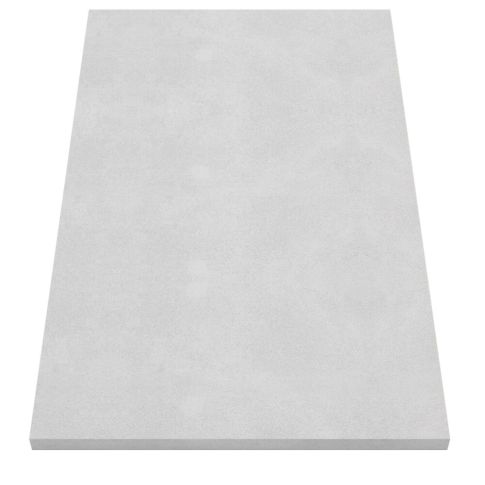
Silicate board is indispensable in construction and resistant to high temperatures. Thanks to its properties, it is a popular choice among DIY enthusiasts and professional installers for the construction and insulation of various types of heating structures.
Silicate board is a lightweight, porous material made mainly of calcium silicate, quartz sand, and cellulose, reinforced with fibers. The production process involves hardening under high pressure and at high temperatures. It does not contain asbestos or other harmful substances. Silicate board stands out from other insulation materials, such as ceramic wool and fireclay brick, thanks to a number of features. It is resistant to temperatures up to 1000°C and does not burn, melt or deform. This makes it ideal for thermal insulation of fireplaces and stoves. It is easy to work with, non-flammable, and allows walls to “breathe.” It can be found in the Vitcas store, along with materials for joining and sealing it, such as high-temperature silicone sealant and fireplace tape.
A guide for DIY enthusiasts and installers: everything you need to know about silicate boards.
Silicate boards are useful where thermal insulation from high temperatures is required. They can be used as casings for fireplaces and stoves, protecting the surrounding area from overheating. They are indispensable for various repairs. When, for example, sealing the door of a furnace, you can also replace its thermal insulation, for which a new silicate board will come in handy. It can only be installed on a clean, dry, and stable surface. For processing, it is necessary to use dust masks and safety goggles. It can be fixed with a special high-temperature adhesive.
Silicate board has revolutionized the construction of heating structures. Its properties make it indispensable for every DIY enthusiast and installer, ensuring the safety and efficiency of the work carried out with its use.